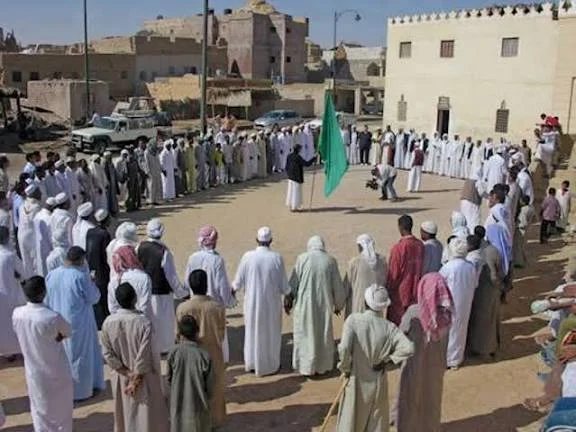
Every October, when the moon is full and the dates and olives have been harvested, the men of Siwa leave their homes for three days on Gebel Dakrour. They settle quarrels, chant dhikr and share one great meal. The story of Siwa’s best-loved festival.
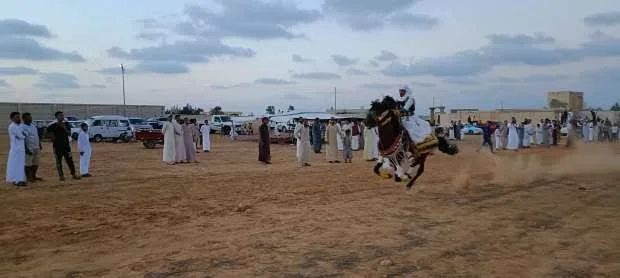
In the Bedouin world of Matrouh, horses are part of every celebration: wedding races, festivals, the welcome of guests and the commemoration of Wadi Majid. Meet the hardy “Moroccan” horse of the Western Desert and the rich vocabulary the tribes use for their horses.
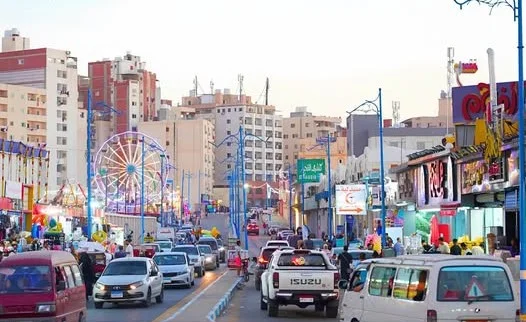
Old names of Marsa Matrouh, the three stops of the coastal railway, the names Australian soldiers gave their cars in 1917, a Roman pigment named after the city, and the latest visitor figures for El Alamein: short facts about Matrouh, each with its source.
South-east of Sidi Barrani, on 26 February 1916, a British column broke the Senussi forces on the coast. A charge by the Dorset Yeomanry ended with its commander thrown from his horse in front of Jaafar Pasha, the Ottoman officer leading the Senussi, who surrendered…
Salloum was among the first places the British gave up in the Senussi campaign, and the last on the coast to be regained. Between November 1915 and March 1916 it changed hands, and its recapture ended with a thirsty march, a dash of armoured cars…
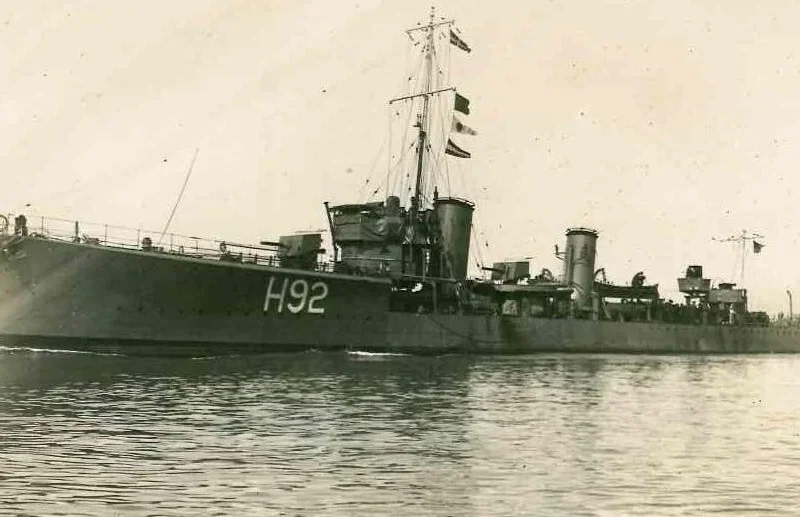
A former Holyhead ferry, torpedoed in the Bay of Salloum in November 1915; ninety-two survivors marched into the desert as prisoners of the Senussi; a captain’s letter found in a Salloum house; and a dash of armoured cars to Bir Hakeim. The story of HMS…
By early 1917 Siwa was the last oasis held by the Senussi in Egypt, and the Grand Senussi himself was there. In February a column of Rolls-Royce armoured cars and Ford light cars drove some 300 km across the desert from Matrouh, fought at Girba…
Stripped of bonnets and doors and armed with a machine gun, the Ford Model T became the desert vehicle of the First World War in the Western Desert. The Light Car Patrols raided, hunted smugglers and mapped vast unknown stretches of sand.
In the winter of 1915–1916 Marsa Matrouh became the base of an army drawn from across the British Empire: English and Welsh yeomen, Sikhs, New Zealanders, Australians, South Africans, gunners from Hong Kong and Singapore, Egyptian units, armoured cars and aircraft.
In 1915 he commanded the Senussi forces on Egypt’s western coast; in February 1916 he surrendered to a British cavalry officer near Sidi Barrani; a few years later he was Prime Minister of Iraq. The remarkable life of Jaafar al-Askari.
Born in Jaghbub in 1873, head of the Senussi order from 1902, Sayed Ahmed El Sharif fought the French and the Italians before leading his followers into Egypt in 1915. He held out at Siwa until 1917, left Libya by German submarine in 1918 and…
Half-brother of the Ottoman war minister Enver Pasha, Nuri Bey commanded the Senussi forces on Egypt’s western coast in 1915–1916. Two years later he led the Army of Islam into Baku. A soldier whose path crossed Matrouh.
Hugh Grosvenor, 2nd Duke of Westminster, known as “Bendor”, owned much of London’s Mayfair and Belgravia. In 1916 he led Rolls-Royce armoured cars across the desert from Salloum, at Aqqaqir, through the Halfaya Pass and on the famous rescue at Bir Hakeim.
Before he reached the oracle of Ammon at Siwa, Alexander the Great followed the Matrouh coast to Paraetonium, today’s Marsa Matrouh, and then turned into the desert. The ancient historians tell of a miraculous rain, a lost army and mysterious guides.
For a thousand years the land of Matrouh was a corridor between Egypt and North Africa. The 12th-century geographer al-Idrisi listed its stations mile by mile, from “Qasr al-Shammas” to “Dhat al-Hamam”, and the pilgrim caravans of the Maghreb followed the coast towards Alexandria on…
Welcome to MatruhTravel 👋
Sign up for free to save your favourite places, plan your next trip, list or browse items for sale and rent, and message sellers.