Salloum, at the foot of the great escarpment on the Libyan border, saw the first blows of the Senussi campaign on the Egyptian coast, and its end.
A year of warnings
Trouble had been building for months. On 19 May 1915 German and Ottoman officers were landed by submarine west of Salloum and set up their headquarters at Siwa. That summer Nuri Bey, half-brother of the Ottoman war minister Enver Pasha, planned a raid on Salloum for 15 June, but it was thwarted; Nuri went on to command the Senussi forces and to train recruits from the Awlad Ali tribes. In August a British submarine was fired on near Salloum; the Senussi claimed the shooters had mistaken it for an Italian boat.
November 1915: Salloum falls
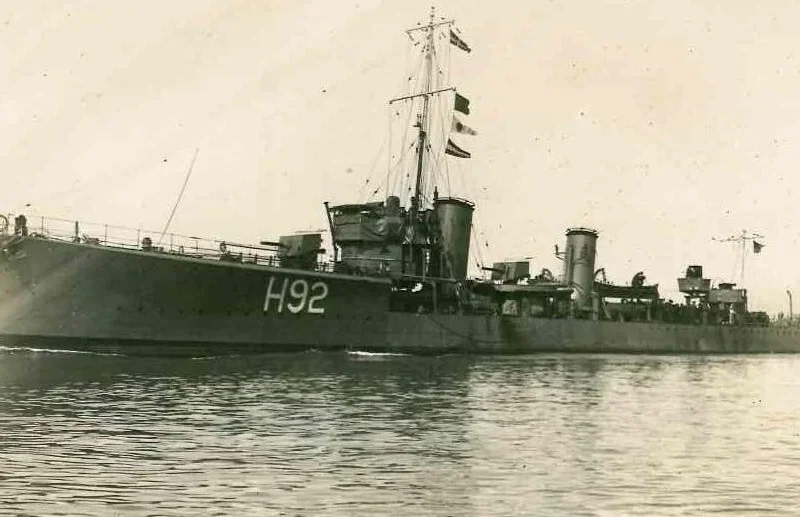
In November the blow came. German submarines struck in the Bay of Salloum, sinking the Egyptian Coastguard cruiser Abbas and the British steamer Tara. Senussi fighters attacked the post, and on 23 November it was evacuated by sea. Salloum passed into Senussi hands, with the support of Ottoman and German officers. The story of those weeks is told in our article on the Egyptian Coastguard.
March 1916: the thirsty march
After the British victory at Aqqaqir in late February 1916, the Western Frontier Force marched on Salloum. The advance was no easy matter: two battalions of the South African Brigade and the Hong Kong and Singapore Mountain Battery marched for two days across the high ground almost without water, suffering badly from heat and thirst.
On 14 March 1916 Salloum was reoccupied with little resistance, ending the coastal campaign.
Through the Halfaya Pass
The armoured cars of the Duke of Westminster then climbed through the Halfaya Pass, a gap in the escarpment south of Salloum, and pursued the retreating force into Libya. The same day they destroyed the enemy camp at Bir Asiso. The Senussi fled; a small Ottoman contingent was overrun, and the British took about 30 prisoners, three field guns, nine machine guns and some 250,000 rounds of ammunition, without loss. The cars chased the fleeing fighters for about 16 km.
A letter in a house
In a house in Salloum the British found a letter written by Captain Gwatkin-Williams, commander of the sunken Tara. It revealed where his crew were being held. Three days later the armoured cars set off on the famous rescue at Bir Hakeim, told in a separate article.
Salloum today
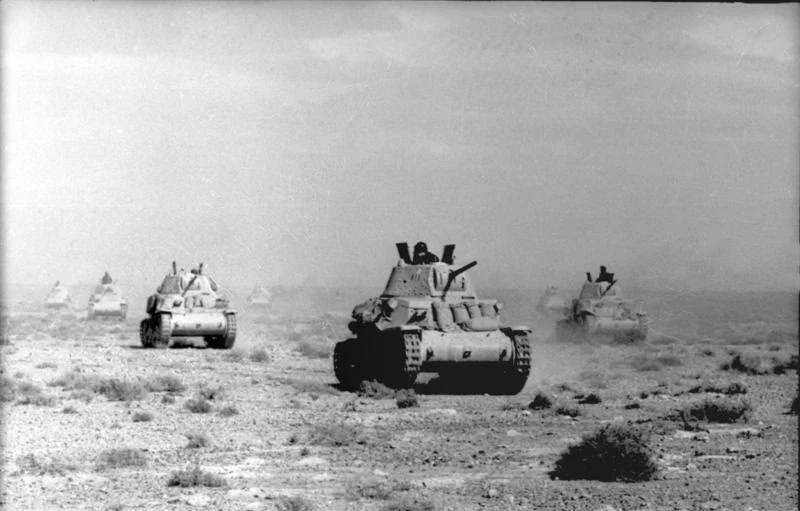
The Halfaya Pass would be fought over again in the Second World War, and today the Halfaya Sollum War Cemetery holds more than 2,000 graves from that later conflict.
Frequently asked questions
When did Salloum fall to the Senussi?
It was evacuated by sea on 23 November 1915 and passed into Senussi hands.
When was it retaken?
On 14 March 1916, with little resistance.
What is the Halfaya Pass?
A gap in the escarpment south of Salloum, used by the armoured cars in 1916 and fought over again in 1941.