Herodotus tells how the Persian king Cambyses sent some 50,000 soldiers to destroy the Temple of Amun at Siwa, only for a sandstorm to bury them in the desert without trace. Discover the story, the searches, the 2009 claim and the modern theory that explains…
A journey through 13 centuries of Siwa's history: Musa ibn Nusayr's attempt, the Fatimids, the building of Shali in 1203, Muhammad Ali's annexation of the oasis in 1820, the Senussi, the 1910 telegraph, two world wars, and the paved road of the 1980s that opened…
After centuries of isolation, European travellers began reaching Siwa in 1792: Browne, the first European since Roman times, then Hornemann, Minutoli, Rohlfs and Steindorff, up to Ahmed Fakhry. Meet the people who shaped the world's picture of Siwa.
Ahmed Fakhry (1905 – 1973), the Egyptian archaeologist whose name is tied to the oases of the Western Desert, wrote the best-known reference work on Siwa's history, customs and monuments, alongside his work on the Bent Pyramid of Dahshur. Discover his life and his contribution…
In Siwa people speak a language other than Arabic at home: Siwi, the easternmost Amazigh (Berber) language, spoken by about 21,000 people in Siwa and Qara. Discover its origins, its features, its Arabic influences, and why UNESCO lists it as endangered.
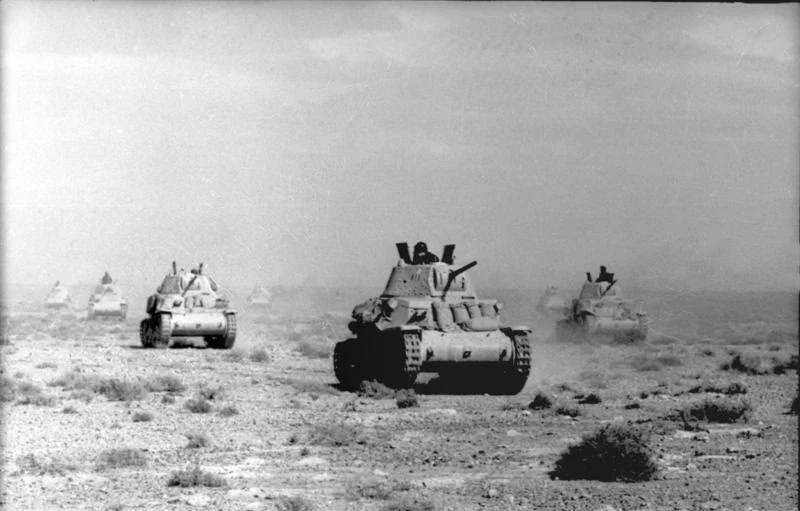
In World War II Siwa was a base for Britain's Long Range Desert Group, then Italian Axis forces occupied it from July to November 1942 after their advance into Egypt as far as El Alamein. Discover the remote oasis's role in the desert war.
In a desert oasis it seems strange that the problem is too much water rather than too little. Discover Siwa's drainage crisis: unregulated wells, rising groundwater, salinised land and falling date and olive yields, and the national project to solve it.
Siwa has mosques some 800 years old, built of kershef, palm trunks and olive wood, with minarets in the style of the Maghreb and Andalusia: the Old Mosque of Shali, Tatandi Mosque, Aghurmi Mosque and the mosque of Qara Umm al-Saghir. Discover their history, architecture…
Around Siwa lie small uninhabited oases, some in the middle of the Great Sand Sea: Sitra with its colour-changing lake, Bahrein, Nuwamisa with its rock-cut tombs, and Shiyata with its marine fossils and a prehistoric footprint. Discover these oases and how to visit them.
Only have one day in Marsa Matrouh? Here's a packed plan: a morning on the Cleopatra road to Al Gharam Beach, midday at the Rommel Museum, and sunset at Agiba or on the corniche, with tips to save time and beat the crowds.
A 5-day plan combining the best of Matrouh Governorate: two days on Marsa Matrouh's beaches and sights, then the road to Siwa, and two days among its temples, springs and the Sand Sea. With tips on timing, the road and the best season to combine…
In September 1940 the Italian army advanced from Libya into Egypt as far as Sidi Barrani; in December 1940 British forces struck back with Operation Compass, opening with the Battle of Sidi Barrani and taking tens of thousands of prisoners. The story of the first…
Between 26 and 29 June 1942, after the fall of Tobruk, Axis forces under Rommel drove on Mersa Matruh, the main British base in the Western Desert. The story of the battle, the city's fall and the capture of some 6,000 troops, and how the…
In July 1942 the British Eighth Army under Auchinleck held a line from the sea at El Alamein to the Qattara Depression and halted Rommel's advance on Alexandria and Cairo. Discover the battle and its key positions: Tel El Eisa, Deir el-Munassib and Ruweisat Ridge.
Between 30 August and 5 September 1942, south of El Alamein, Rommel tried to outflank the Eighth Army in the last major Axis offensive of the Western Desert, and walked into the trap Montgomery had laid on Alam el Halfa ridge. Discover the battle and…
Welcome to MatruhTravel 👋
Sign up for free to save your favourite places, plan your next trip, list or browse items for sale and rent, and message sellers.