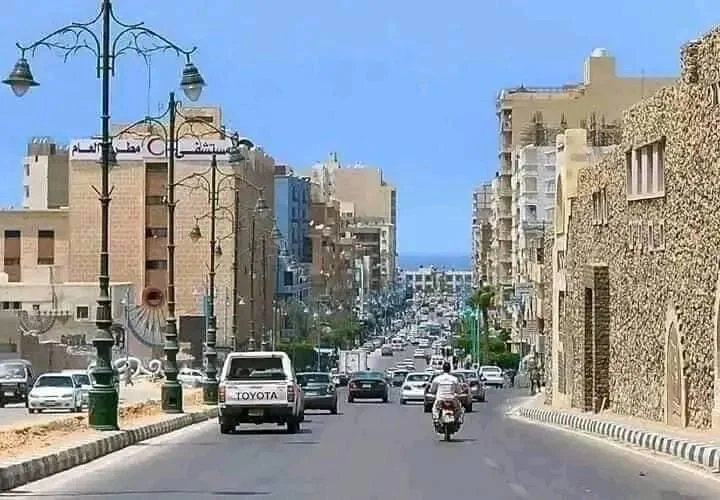
Marsa Matrouh is the capital of Matrouh Governorate and the most famous summer resort on Egypt’s northwest coast. It sits on the Mediterranean about 290 kilometres west of Alexandria by road and about 220 kilometres from the Libyan border, where turquoise water and white sand meet thousands of years of history.
Why visit Marsa Matrouh?
- A sheltered bay: a natural rock barrier protects the city’s bay, keeping the water calm and clear on most summer days.
- Varied beaches: from calm town beaches to remote coves between cliffs, such as Agiba.
- A gentler summer: thanks to the Mediterranean breeze, its summer days are among the mildest of Egypt’s cities and resorts.
- Living history: from the remains of Roman Paraetonium to Rommel’s cave.
- Bedouin character: in the food, the hospitality and the markets.
History of Marsa Matrouh
From fishing village to Paraetonium
Marsa Matrouh began as a small fishing village. In Ptolemaic and Roman times it was known as Paraetonium, and it is said to have been called Ammonia under Alexander the Great. It became an important port shipping Egyptian grain to Rome, and the gateway to the caravan route to the Temple of Amun at Siwa.
Coptic and Islamic eras
Christianity spread in the city, and the remains of an early Coptic chapel and inscribed caves survive. After the Islamic conquest of Egypt in the 7th century the city was known as al-Baritun.
World War II
Marsa Matrouh was a key base for the British Army, which built the fortified Baggush Box east of the city. In summer 1942 the Axis forces under Rommel captured it, holding it until the Allies retook it after the Second Battle of El Alamein. Rommel’s cave, now a museum, survives from that period.
The best beaches in Marsa Matrouh
The city has one of the most beautiful strings of beaches in the Mediterranean. The best known include:
- Agiba Beach: about 25 km west of the centre, a small cove beneath cliffs with water shading from turquoise to deep blue, famous for its sunsets.
- Al Abyad Beach: about 20 km west of the city, with brilliant white sand.
- Rommel Beach: calm and shallow inside the bay, ideal for families.
- Al Gharam Beach: one of the most beautiful beaches in all of Egypt: clear turquoise water, a gently shelving seabed, only very light waves and wide stretches of soft white sand.
- Cleopatra Beach: a sightseeing spot home to the famous Cleopatra’s Bath; its shore is mostly rocky, so it is more for visiting and photos than swimming.
- Corniche beaches: such as Lido, close to the centre and its restaurants.
In summer the city announces which beaches are safe for swimming and closes open beaches such as Agiba and Al Abyad when the waves are high, so always follow the flags and the lifeguards.
Sights not to miss
Cleopatra’s Bath
A large rock on the west side of the city that the sea flows into through naturally carved openings before draining back out, with sunlight entering through gaps in its roof. It is linked to the name of Queen Cleopatra, and in summer a glass walkway is installed in front of it so visitors can watch the waves break over the rocks.
Rommel Museum
A cave cut into the hillside overlooking Rommel Beach, opposite the city’s eastern harbour. It was used in Roman times to store grain, and the German commander Erwin Rommel, the “Desert Fox”, later made it a headquarters during World War II. The cave became a museum and reopened after redevelopment on 25 August 2017. Exhibits include Rommel’s leather coat, a compass, maps bearing his handwritten notes and small arms from the war.
Matrouh Archaeological Museum
Housed inside the Misr Public Library in Matrouh, it displays finds from local excavations that tell the story of the city as Egypt’s western gateway and its links to fishing and trade through the ages.
The corniche and markets
The city’s corniche runs along the bay, lined with cafés and restaurants. In the evening visitors head to the popular markets, including the famous Libya Market, for dates, olive oil and Bedouin and Siwan products.
When to visit Marsa Matrouh
The prime swimming season runs from June to September, when the average sea temperature reaches 23–27 °C. Spring and autumn suit those who prefer quiet beaches and gentle sun. Winter is mild and fairly wet; Matrouh is one of the rainiest places in Egypt.
Tips for visitors
- Book accommodation early for July and August, the peak of the season.
- Bring water shoes for rocky beaches such as Agiba and Cleopatra.
- Visit Agiba before sunset and spend early mornings at the nearby beaches.
- Carry cash for small beach services such as umbrellas and chairs.
Frequently asked questions
How far is Marsa Matrouh from Alexandria?
About 290 km along the international coastal road.
What is the most famous beach in Marsa Matrouh?
Agiba Beach is the best known for its clifftop setting, followed by Al Abyad, Cleopatra and Rommel.
What was Marsa Matrouh’s ancient name?
Paraetonium, its name in Ptolemaic and Roman times.


